ServicesSolar Repair
Solar Repair in Addison
When your panels stop pulling their weight, we track down the cause, show you what failed and fix it. One person handles your repair from the first phone call to the final production check, so you always know who to ask.
Getting your system back to full output
Most solar problems are smaller than they look. A single failed microinverter, a loose connector or a monitoring device that dropped off your Wi-Fi can make it seem like the whole system quit. Our job is to find the actual fault, not to sell you a new array.
We work on systems we installed and systems someone else put in, including ones where the original installer is no longer around. You get one contact who explains what we found in plain language, answers your follow-up questions and schedules the work. If a repair doesn't make sense for your equipment, we'll tell you that too.
What solar repair covers
- Production diagnosis
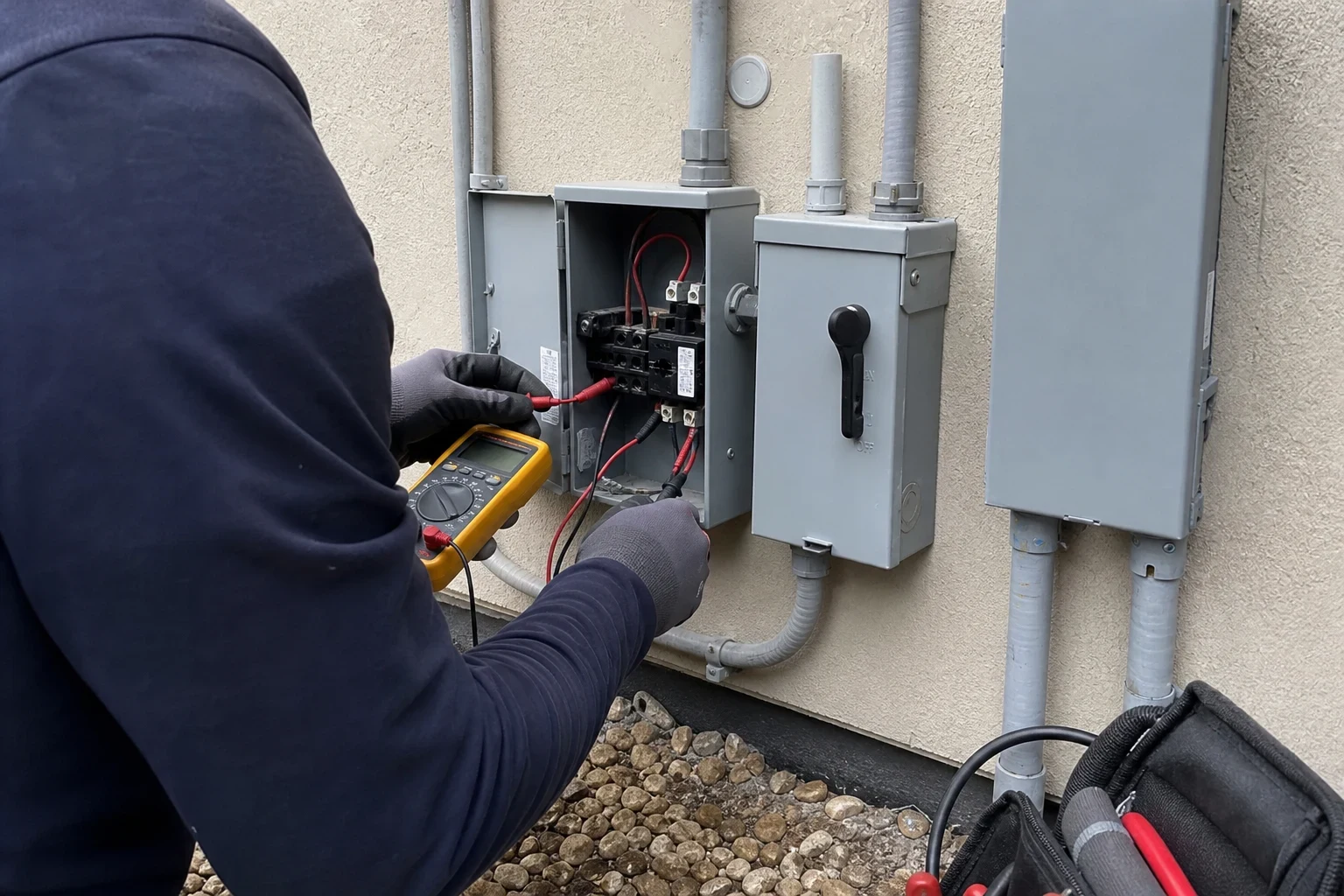
- We start with your monitoring data and compare it to what your system should produce for the season. That usually points us to a specific string, panel or inverter before we ever climb a ladder.
- Inverter and microinverter faults
- Inverters work hard in long Texas summers, and heat is one of the main reasons they fail. We test, reset or replace string inverters, microinverters and optimizers, and we check whether the manufacturer's equipment warranty covers the part.
- Wiring and connectors
- We inspect connectors, conduit and wire runs for corrosion, loose fittings and chewed or cracked wire jackets. Squirrels and birds nesting under panels cause more wiring damage than most people expect.
- Cracked or damaged panels
- A panel with cracked glass or a burn mark can drag down the output of the panels wired alongside it. We confirm the damage, source a compatible replacement and swap it in.
- Racking and mounting hardware
- We tighten loose rails and clamps and reseal around existing solar mounts where the sealant has aged out.
- Monitoring reconnection
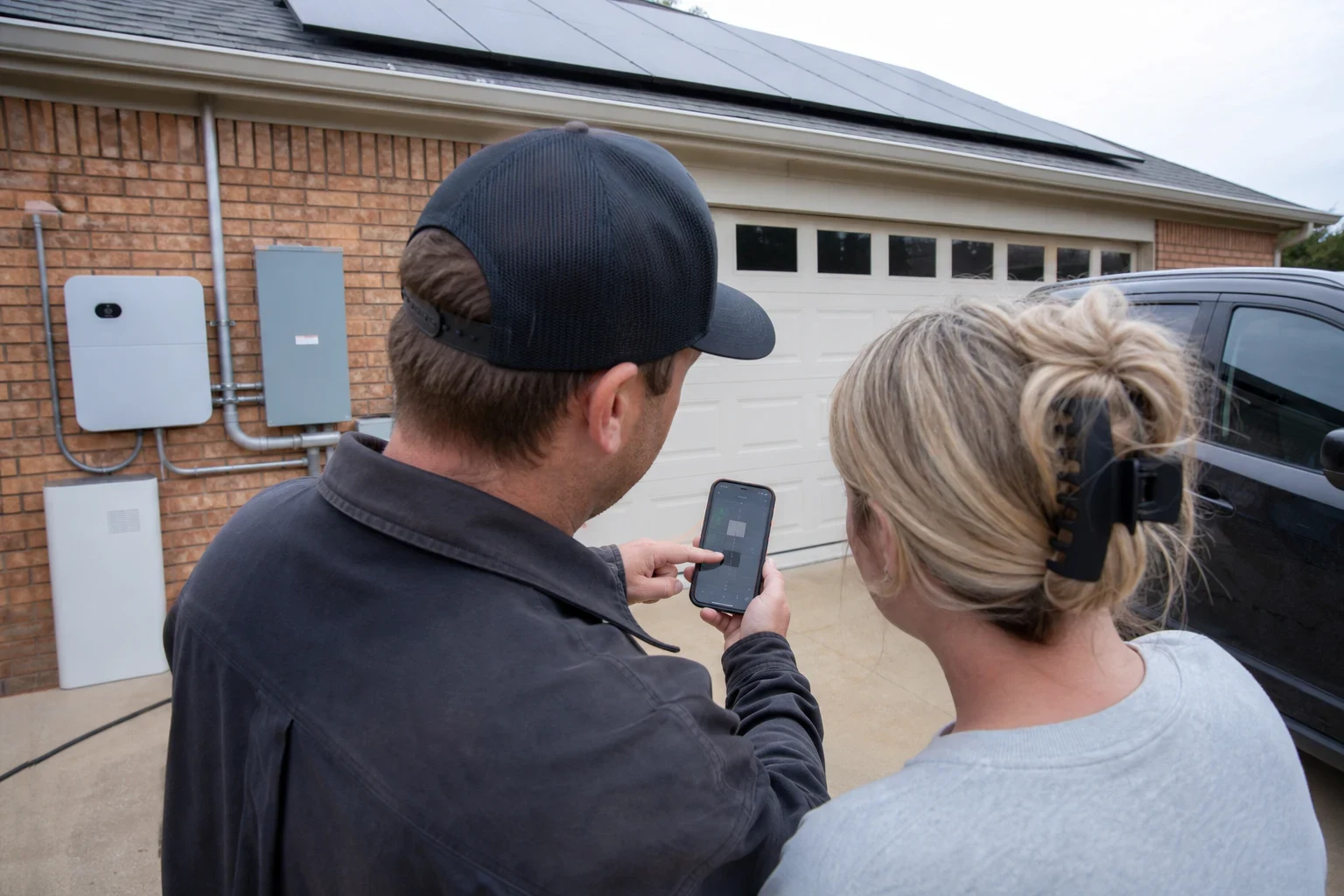
- If your app went blank after a router change or an outage, we get the gateway talking again so you can see what your system is doing.
When your solar system needs a repair
Low output that does not recover
Overcast weather accounts for a short slump. If the numbers stay low through bright, clear days, the cause is likely hardware.
Inverter lights or error codes
A red or amber light, or a code on the screen, means the inverter has recorded a fault. Take a photo or jot down the code before you call us.
A blank monitoring app
It may only be a dropped internet connection. It may also mean the system quit producing, and the app is the only place you would see it.
Storm damage you can see
After hail or strong wind, cracked glass, a panel out of place or debris stuck under the array should be checked before minor damage gets worse.
The solar breaker keeps tripping
When the solar breaker trips again and again, leave it off and let us track down the cause. It usually points to trouble in the wiring or the inverter.
What sets the price of a repair
The cost of a repair comes down to what broke and how easy it is to get to. After we inspect the system, you get a written estimate, so you see the price before you make any decision.
What broke
Reconnecting a loose connector is quick work. Swapping out a string inverter takes more parts and more hours.
How hard it is to reach
Getting to a panel in the center of the array can mean lifting the ones around it. High or steep roofs also add time and safety setup.
Whether the warranty still applies
When a failed panel or inverter is still under the manufacturer's coverage, the part itself may cost you little or nothing, leaving mostly labor. We look into this on your behalf.
Finding the right part
Some older systems use models that are no longer made. Locating one that fits can take longer or call for a minor wiring change.
How a repair visit goes
- 1
A conversation by phone
You tell us what you're seeing, and we ask about your equipment, its age and any error codes. If you can share access to your monitoring, we review it before the visit.
- 2
On-site inspection
We check the inverter, electrical connections and the array itself. You get photos of anything we find, including the parts of the roof you can't see from the yard.
- 3
A written estimate
Before any work starts, you get an itemized estimate that lists the parts, the labor and what it should do for your output. Nothing is added later without your say-so.
- 4
Repair day
We shut the system down safely, make the repair and handle any permit or utility paperwork the fix requires. Most single-component repairs wrap up in one visit.
- 5
Production check and cleanup
We bring the system back online, confirm it's producing as it should and clear away old parts and packaging. Your same contact follows up afterward to make sure the numbers held.
Common questions about solar repair
Do you repair systems put in by other installers?
We do. Plenty of our repair calls are from homeowners whose installer closed up or quit answering. Send along any paperwork you have, though we can usually tell what equipment you have once we are on site.
Should I repair my system or replace it?
Repair is usually the better value, more so when the panels are in good health. When an inverter is close to worn out or several parts are failing together, we lay out both paths and what each one means. You make the call.
Does homeowners insurance pay for hail-damaged panels?
Lots of policies include storm damage to solar, but that question is for you and your insurer. We record the damage in photos and a written summary you can pass to your adjuster. We are not the adjuster and cannot say what your policy will pay.
Does someone need to be home for the repair?
Not necessarily. We need to get to the roof and to the inverter and electrical panel, which are often outdoors. Your contact will go over the details beforehand and call you once the job is finished.
Could dirt on the panels explain my lower output?
Pollen and dust can shave off some production, but they seldom cause a big, sudden drop. If we find buildup is to blame, our panel cleaning service may solve it.
Let's find out what's wrong with your system
Tell us what your inverter or app is showing, and the person you speak with will stay with your repair until your panels are producing again.